All Categories
Featured

Optimizing Your Backlink Profile With Professional Support
Table of Contents
- – The Transition Towards Quality in Large-Scale ...
- – Building a Method for Search Visibility
- – The Function of Digital Relations and Authority
- – Technical Requirements for Making High-Value L...
- – Utility-Driven Link Acquisition
- – Examining Link Quality in the 2026 Browse Envi...
- – Sustainable Material Structures
- – Future-Proofing Through Diversification
The Transition Towards Quality in Large-Scale Digital Links
Browse engines in 2026 have moved beyond basic link counts to a system that focuses on the context and the identity behind a backlink. For large organizations, the era of buying placements or using automatic outreach has actually ended. Today, the focus is on constructing a digital presence that earns links through real energy and reliable stature. Success often depends on proficiency in Digital Architecture to navigate these technical requirements. High-authority sites now require more than simply a mention. They require a factor to connect, normally based on unique data or a particular viewpoint that adds worth to their own readers.
This shift suggests that the approaches utilized for enterprise digital growth have changed. Rather of looking for volume, groups are looking for positioning. A single link from an appropriate industry journal now carries more weight than lots of links from generic blogs. This change is driven by the increase of entity-based search, where the relationship between 2 brands is as essential as the link itself. If a major financial organization links to a technology supplier, search engines analyze this as a vote of self-confidence because service provider's competence within the finance sector.
Building a Method for Search Visibility
Developing a sustainable method to acquire links requires a relocation away from short-term tactics. The majority of successful massive websites in 2026 reward link structure as a by-product of their routine business operations instead of a separate marketing task. This involves developing "referenceable properties" that other writers and researchers naturally wish to point out. These assets can consist of internal research study documents, live information control panels, or specialized tools that fix market problems. Advanced Building Tool Solutions supplies a clear course for brands seeking to keep a high level of digital presence through these techniques.
Information is the most effective currency for an enterprise. While a little blog site may share opinions, a large company has access to huge amounts of anonymized user information or market patterns. When this info is packaged into a yearly report or a quarterly index, it ends up being a magnet for citations. Journalists trying to find facts to support their stories will discover these reports and link back to the initial source. This creates a cycle where the brand name ends up being the primary authority in its field. This strategy prevents the risk of manual charges and makes sure that the links acquired are both irreversible and relevant.
The Function of Digital Relations and Authority
Public relations and search optimization have combined into a single discipline for many large firms. In 2026, individuals who used to focus on press releases are now focused on digital impact. This involves building relationships with editors and thought leaders over extended periods. It is no longer about one-off pitches. It is about being a consistent source of quality info. Many organizations search for Building Tools for SEO Success to bridge the space between traditional media outreach and contemporary technical requirements.
When a brand is discussed in a significant news outlet, the worth of that mention is measured by the traffic it sends out and the authority it communicates. Browse engines now utilize AI to comprehend the sentiment of a reference even if there is no direct link. Nevertheless, a direct link stays the strongest signal of a connection. Methods that focus on being helpful to the media-- providing expert quotes, high-quality images, or comprehensive charts-- are much more reliable than requesting for a link directly. The link follows the worth supplied.
Technical Requirements for Making High-Value Links
A website should be worthwhile of a link before it attempts to get one. For corporate search strategy, this suggests the site must be fast, protected, and easy to navigate. If an editor at a high-tier publication clicks a link and the page takes three seconds to load, they will likely remove that link before publishing. Technical excellence is the foundation of linkability. This consists of having a clear website structure that enables search engines to understand the hierarchy of information and the relationship in between various subjects.
Large sites often have problem with "link rot" where older pages that have gotten lots of links are deleted or moved without appropriate redirects. Preserving these old connections is as important as finding brand-new ones. Examining existing links makes sure that the worth currently earned is not lost. This process includes looking for broken pages and making sure that the most valuable links point to pages that are still pertinent to the company's objectives in 2026. A tidy technical profile makes it simpler for other sites to rely on the brand as a long-term partner.
Utility-Driven Link Acquisition
Producing tools is another way to make sure a constant stream of incoming links without consistent outreach. If a company supplies a calculator, a template, or a particular piece of software application that individuals in their industry use every day, those users will naturally share it. These "energy links" are amongst the most stable because they are based on the real usage of the site. A person might link to an article when, but they will connect to a helpful tool consistently in various contexts.
In 2026, these tools are frequently powered by light AI models that provide individualized results for the user. For instance, a logistics business might offer a tool that anticipates shipping delays based upon existing weather condition patterns. Since the tool supplies real-time worth, it becomes a staple resource for industry news websites and logistics blogs. This type of link structure is tough to reproduce and provides a massive benefit over rivals who only produce basic material. It requires a financial investment in development, but the long-lasting payoff in authority is considerable.
Examining Link Quality in the 2026 Browse Environment
Metrics for link building have actually changed. The old days of taking a look at a single rating like Domain Authority are gone. Now, groups take a look at a variety of aspects to figure out if a link is worth pursuing. The very first is "Topical Significance." Does the connecting website discuss the same things as the location website? The second is "Traffic Potential." Does the linking page really have readers who might click the link? A link that no one ever clicks is viewed as less important by modern-day search algorithms.
The third aspect is "Brand name Association." If a website links to many low-grade or "spammy" websites, getting a link from them might actually injure an enterprise brand. Top-level search consulting now includes a heavy amount of vetting to make sure that the brand name's digital associations remain tidy. This protective method prevents the organization from being captured in search engine updates that target low-grade link networks. Staying within a circle of relied on sites is a much safer and more reliable method to build authority over time.
Sustainable Material Structures
Material must be developed for the long term. This implies avoiding "newsjacking" or patterns that fade within a week. While those can bring a momentary spike in attention, they rarely lead to the type of long-term links that build authority. Instead, enterprises should focus on "evergreen" topics that remain relevant for several years. A deep-dive guide on a core industry topic will continue to make links long after it was very first released, supplied it is upgraded routinely to show new information.
Upgrading content is a link-building strategy in itself. When a piece of material is revitalized with new stats for 2026, it gives the group a reason to connect to individuals who linked to the old variation. It also alerts online search engine that the page is still active and accurate. This maintenance keeps the link profile fresh and guarantees that the company remains the "source of reality" for that specific topic. It is often more effective to enhance an existing high-performing page than to create something entirely new from scratch.
Future-Proofing Through Diversification
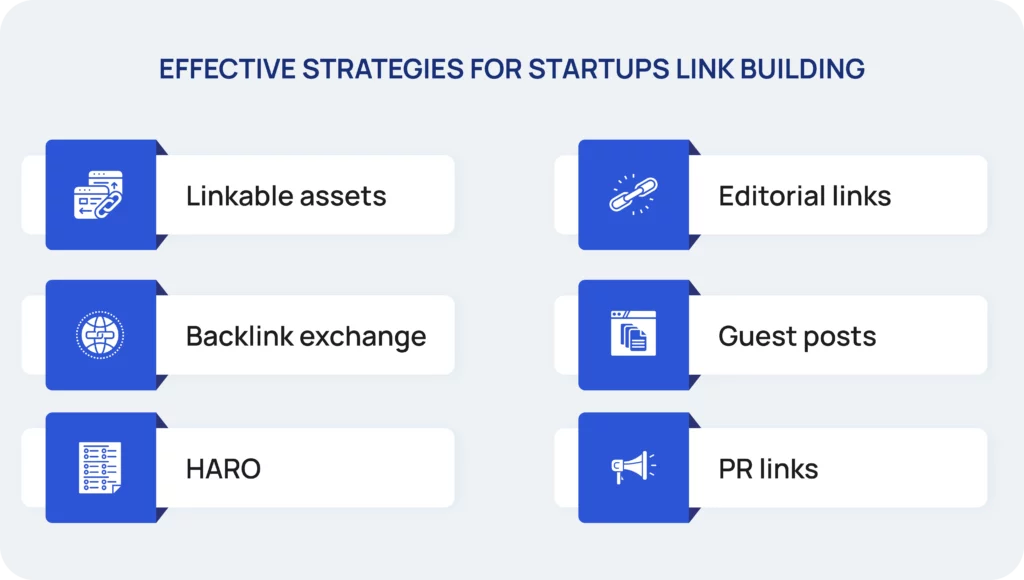
Relying on a single kind of link or a single source of traffic is a danger. A sustainable system for enterprise visibility includes a mix of different link types. This consists of editorial links from news sites, citations from academic or federal government sources, and functional links from tools and partners. Diversification safeguards the website from modifications in how search engines weight various types of links. If one approach becomes less efficient, the others keep the website steady.
Collaboration with other departments is required to attain this. The marketing team can not build a sustainable link profile alone. They need the information from the item group, the stories from the client service team, and the technical assistance of the IT department. When the entire company is aligned towards producing a site that is useful and authoritative, the links follow naturally. This internal synergy is what separates the top-performing enterprise sites from those that struggle to preserve their rankings in a changing search environment.
The goal is to move from a state of "developing links" to a state of "making authority." In 2026, the brand names that win are the ones that have integrated their digital presence into the material of their industry. They are cited because they are experts, they are linked to due to the fact that they work, and they are relied on since they correspond. This organic growth is the only way to guarantee that a site stays visible and appropriate in the years to come.

Table of Contents
- – The Transition Towards Quality in Large-Scale ...
- – Building a Method for Search Visibility
- – The Function of Digital Relations and Authority
- – Technical Requirements for Making High-Value L...
- – Utility-Driven Link Acquisition
- – Examining Link Quality in the 2026 Browse Envi...
- – Sustainable Material Structures
- – Future-Proofing Through Diversification
Latest Posts

test
Essential Guest Posting Tips to Boost Organic Traffic
How to Gain Premium DA Backlinks Naturally
Latest Posts
test
Essential Guest Posting Tips to Boost Organic Traffic
How to Gain Premium DA Backlinks Naturally